
Electrical Home Improvement Projects:
- Winter is Ideal for Electrical Projects: Cooler temperatures make attics and outdoor spaces safer and more comfortable for electrical work, while contractors often have greater availability during this season.
- Energy Efficiency Upgrades: Winter is the perfect time to install smart thermostats, upgrade attic insulation with proper electrical safety measures, and integrate smart lighting for immediate energy savings.
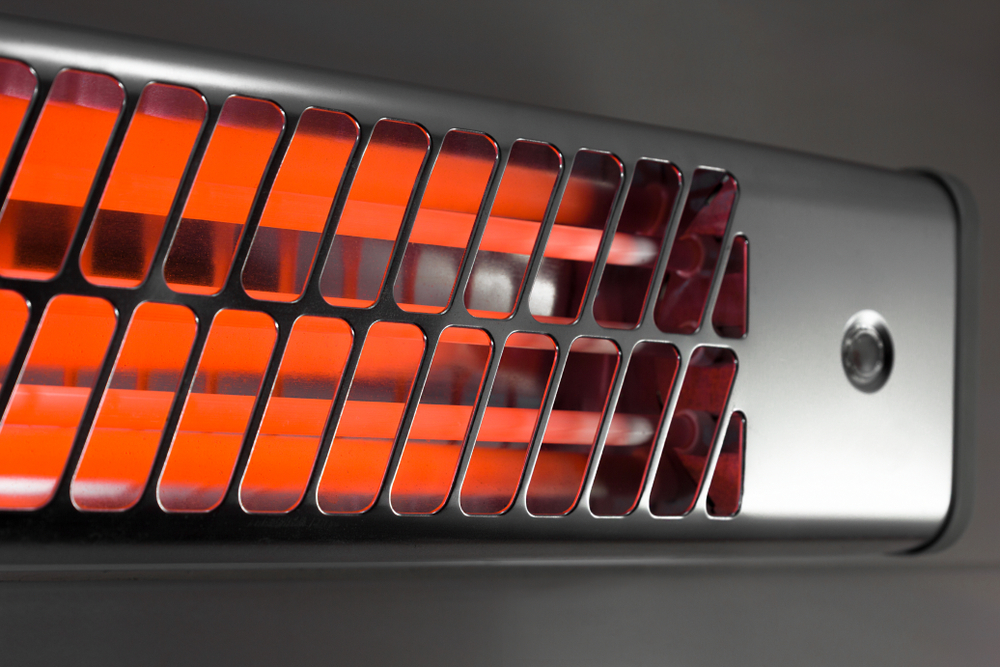
- Outdoor Enhancements: Add porch heaters and upgrade outdoor electrical systems to extend the usability of outdoor spaces during colder months.
- Electrical Panel Upgrades: Modern panels handle increased winter demands, support smart home technology, and improve safety and reliability.
When temperatures drop and heating bills climb, most homeowners focus on weatherizing windows and adjusting thermostats. However, experienced contractors and savvy homeowners know that winter presents unique opportunities for electrical improvements that can transform your home’s comfort and efficiency.
After four decades of serving Columbia, Missouri, and surrounding communities, we’ve learned that strategic winter electrical projects deliver immediate results when you need them most. The cooler months offer ideal conditions for specific types of electrical work, particularly in attics and outdoor spaces where summer heat makes installations challenging and potentially dangerous.
The Winter Advantage: Why Timing Matters for Electrical Work
Safer Working Conditions in Attics
Summer attics routinely exceed 140°F, creating hazardous working environments that compromise both safety and installation quality. Winter transforms these spaces into manageable work areas where temperatures remain comfortable throughout the day.
Cooler conditions benefit electrical components as well. Wire insulation stays flexible, connections remain secure during installation, and heat-sensitive devices can be properly calibrated without thermal stress. These factors contribute to longer-lasting installations and improved system reliability.
Immediate Electrical Performance Feedback
Winter electrical upgrades provide instant validation of their effectiveness. Install a smart thermostat in December, and you’ll immediately see whether it’s optimizing your heating system. Add attic lighting during cold months, and you can spot insulation gaps or air leaks that might remain invisible during warmer weather.
This real-time feedback allows for immediate adjustments and ensures your investment delivers maximum value throughout the heating season.
Professional Availability and Value
Construction activity typically slows during the winter months, meaning electrical contractors have greater availability for indoor and specialized projects. This scheduling flexibility often translates to better project timing and potentially more competitive pricing for non-emergency work.
Essential Winter Electrical Projects
Attic Insulation Upgrade with Electrical Considerations
Proper attic insulation reduces heating costs by up to 30%, but electrical safety must come first. Before adding insulation, ensure all electrical connections use approved junction boxes and proper wire nuts. Loose connections create fire hazards when covered by insulation materials.
Lighting Improvements for Better Visibility
Replace inadequate attic lighting with LED fixtures rated for temperature extremes. Install multiple light sources to eliminate dark corners where problems might develop unnoticed. Add motion-sensor switches to prevent lights from being accidentally left on.
Electrical Safety Requirements
Inspect all existing wiring for damage or deterioration. Replace cloth-wrapped wiring or aluminum connections that pose risks. Ensure adequate clearance around light fixtures and electrical boxes before installing insulation.
Ventilation Fan Upgrades
Install or upgrade attic exhaust fans to prevent moisture buildup that leads to ice dams and mold growth. Modern fans with humidity sensors activate automatically when conditions warrant, protecting your investment in insulation improvements.
Smart Homes Technology Integration
Winter provides the perfect testing ground for smart technology upgrades because heating represents your largest energy expense.
Smart Thermostat Selection and Benefits
Choose programmable thermostats compatible with your specific heating system. Heat pumps, electric baseboard heaters, and gas furnaces each have unique requirements that affect performance and efficiency.
Modern smart thermostats learn your schedule and adjust temperatures automatically, reducing heating costs by 10-15% through precise temperature control and occupancy-based scheduling. Look for models with geofencing capabilities that adjust settings based on whether you’re home or away.
Smart Lighting Controls for Energy Efficiency
Install smart switches for frequently used lights to eliminate energy waste. Consider motion sensors for hallways, bathrooms, and outdoor areas where lights often get left on accidentally.
Smart lighting systems can integrate with your thermostat and security systems, creating comprehensive automation that maximizes efficiency while enhancing convenience and safety.
Outdoor Electrical Enhancements
Winter weather tests outdoor electrical systems like no other season. Proper planning and installation ensure reliable performance when conditions are harshest.
Mounted Porch Heaters for Extended Comfort
Transform unusable winter outdoor spaces into comfortable extensions of your home with properly installed porch heaters.
Heater Selection Guidelines:
- Infrared heaters work best for open porches, providing direct warmth without heating the entire space
- Convection heaters suit enclosed porches where you want to warm the surrounding air
- Calculate heating needs: multiply your porch square footage by 10-15 BTUs for adequate warmth
Installation Requirements
Mount heaters at least 8 feet high to prevent accidental contact. Most porch heaters require 220V outlets and dedicated circuits to operate safely and efficiently. Choose weatherproof models rated for outdoor use, even on covered porches.
Safety Considerations
Install GFCI protection for all outdoor electrical connections. Use weatherproof outlet covers rated for your climate zone. Never mount heaters where they could contact combustible materials like awnings, furniture, or decorative elements.
Upgrade Electrical Panel for Winter Demands
Winter places maximum demands on your electrical system through heating equipment, lighting, and increased indoor activity. Older panels may struggle to handle these loads safely.
Signs You Need an Upgrade
Frequent circuit breaker trips, flickering lights when appliances start, or insufficient circuits for modern electrical demands indicate your panel needs updating.
Benefits of Modern Panels
New electrical panels provide better safety features, increased capacity for future needs, and improved reliability during peak demand periods. They also support smart home technology integration more effectively.
Safety Precautions for Winter Electrical Work
Temperature-Related Considerations
Cold temperatures affect electrical materials differently from heat. Wire insulation becomes brittle, requiring careful handling during installation. Allow materials to reach room temperature before working with them when possible.
Moisture Management
Winter brings increased humidity and condensation risks. Ensure all electrical connections are completely dry before making final connections. Use appropriate sealants around outdoor installations to prevent water infiltration from snow and ice.
Personal Safety Protocols
Dress appropriately for working conditions, but avoid loose clothing that could catch on electrical components. Use insulated tools rated for electrical work. Never attempt electrical work during storms or when conditions are icy.
Professional Consultation Requirements
Certain projects require professional assessment regardless of DIY experience. Electrical panel upgrades, new circuit installation, or work involving 220V systems typically need licensed electrician expertise to ensure safety and code compliance.
Maximizing Energy Savings and Comfort
Strategic Project Sequencing
Begin with high-impact upgrades like smart thermostats and attic improvements before adding comfort features like porch heaters. This approach maximizes immediate energy savings while building toward long-term efficiency goals.
Performance Monitoring
Track energy usage before and after electrical upgrades to measure actual savings. Many smart devices provide detailed usage reports that help identify which improvements deliver the best return on investment.
System Integration Planning
Plan electrical upgrades to work together cohesively. Smart thermostats can coordinate with automated lighting and ventilation systems to create comprehensive home automation that maximizes both efficiency and convenience.
Moving Forward with Confidence
Winter electrical projects offer advantages that simply aren’t available during other seasons. Cooler working conditions, immediate performance validation, and better contractor availability make cold months ideal for these strategic improvements.
Start with a thorough assessment of your current electrical systems and prioritize projects that deliver immediate comfort benefits while building toward long-term efficiency gains. Whether you tackle projects yourself or work with experienced professionals, proper planning and safety precautions ensure successful outcomes.
These winter electrical improvements will continue paying dividends throughout the cold season and beyond, providing enhanced comfort, improved energy efficiency, and increased home value that makes every winter more enjoyable while reducing your environmental impact and utility costs.
FAQ Why Winter Is the Perfect Time for Electrical Projects:
Q: Why is winter a good time for electrical projects?
A: Cooler temperatures make attics and outdoor spaces safer for work, and contractors often have more availability, allowing for better scheduling and potentially lower costs.
Q: What are some high-impact winter electrical upgrades?
A: Smart thermostats, attic insulation improvements, smart lighting controls, and outdoor porch heaters are excellent winter projects that enhance comfort and energy efficiency.
Q: How can I make my attic safer for electrical upgrades?
A: Inspect wiring for damage, ensure all connections are in approved junction boxes, and replace outdated or unsafe wiring before adding insulation or lighting.
Q: What are the benefits of upgrading my electrical panel in winter?
A: A modern panel can handle increased winter demands, prevent frequent breaker trips, and support future smart home technology integration.
Q: What safety precautions should I take for winter electrical work?
A: Handle materials carefully in cold temperatures, ensure all connections are dry, use insulated tools, and consult a licensed electrician for complex projects like panel upgrades or new circuits.
Q: How do smart thermostats save energy in winter?
A: Smart thermostats optimize heating schedules, adjust temperatures based on occupancy, and reduce heating costs by 10-15% through precise control and geofencing capabilities.